Blog
-
The Crisis of the “Always-On” Workplace By 2026, the traditional boundary between “office hours” and “personal life” has been almost entirely eroded by the Slack notification, the urgent WhatsApp from a manager, and the relentless stream of “low-value” emails. We are living in a state of Hyper-Responsiveness, where being “good at your job” is often equated…

-
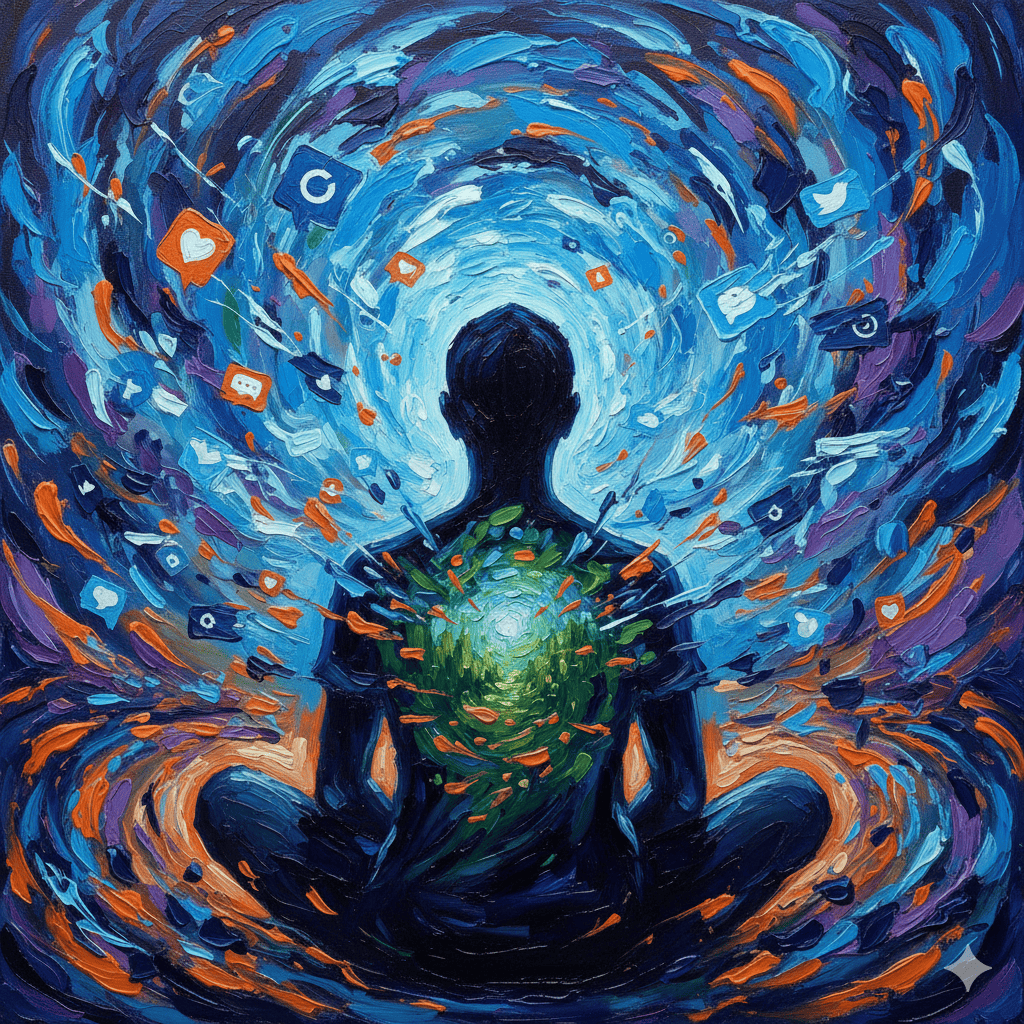
The Unseen Epidemic of the 2020’s By 2026, anxiety has surpassed every other mental health concern, becoming the unspoken epidemic of the digital age. It’s a pervasive unease – a feeling that something is always wrong, just out of reach, or perpetually demanding our attention. While myriad factors contribute to anxiety, mounting scientific evidence points…
-
The Art of Slowing Down In 2026, our lives are dictated by speed – fast fibre-optic broadband, instant messaging, and rapid-fire content consumption. This pace keeps our nervous systems in a state of high alert. T’ai Chi Chuan, an ancient Chinese martial art, is the deliberate antidote. By moving slowly, you aren’t just exercising your…

-
The Myth of the “Empty Mind” Most beginners approach mindfulness with a common misconception: they believe the goal is to stop thinking. They sit down, a thought about an unread email or a grocery list pops up, and they decide they are “bad at meditating.” In reality, mindfulness is not about emptying the mind; it…

-
The Architecture of the “Stuck” Mind In 2026, the primary threat to our mental health isn’t just “stress”; it is stagnation. When we spend 90% of our lives indoors, staring at a screen that sits 18 inches from our faces, our “perceptual field” shrinks. We lose our sense of scale, our peripheral vision atrophies, and our…

-
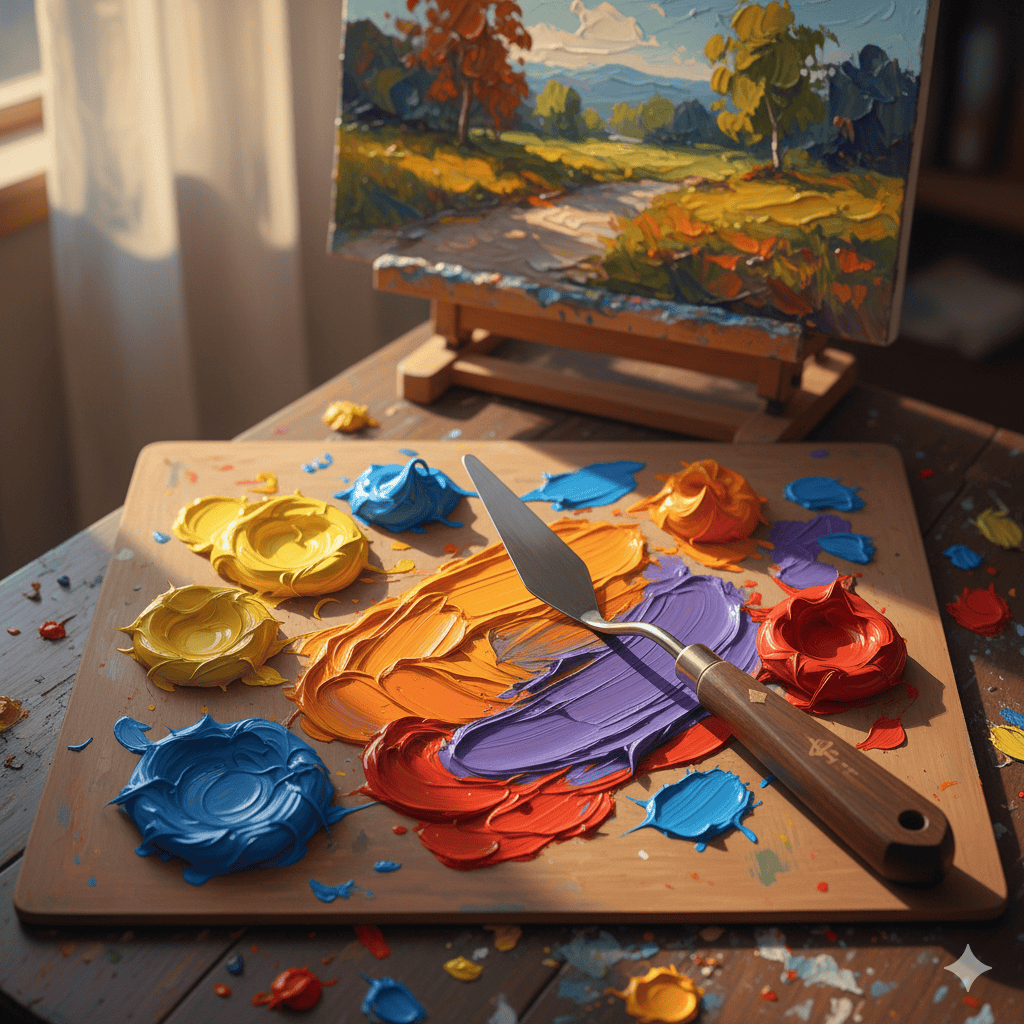
The Allure of the Blade In the world of digital precision and pixel-perfect filters, there is a growing hunger for the “imperfectly perfect.” This is why palette knife painting—or impasto—is seeing a massive resurgence in 2026. Unlike the delicate, controlled strokes of a traditional brush, a palette knife allows you to “sculpt” paint onto the canvas. It is bold,…
-
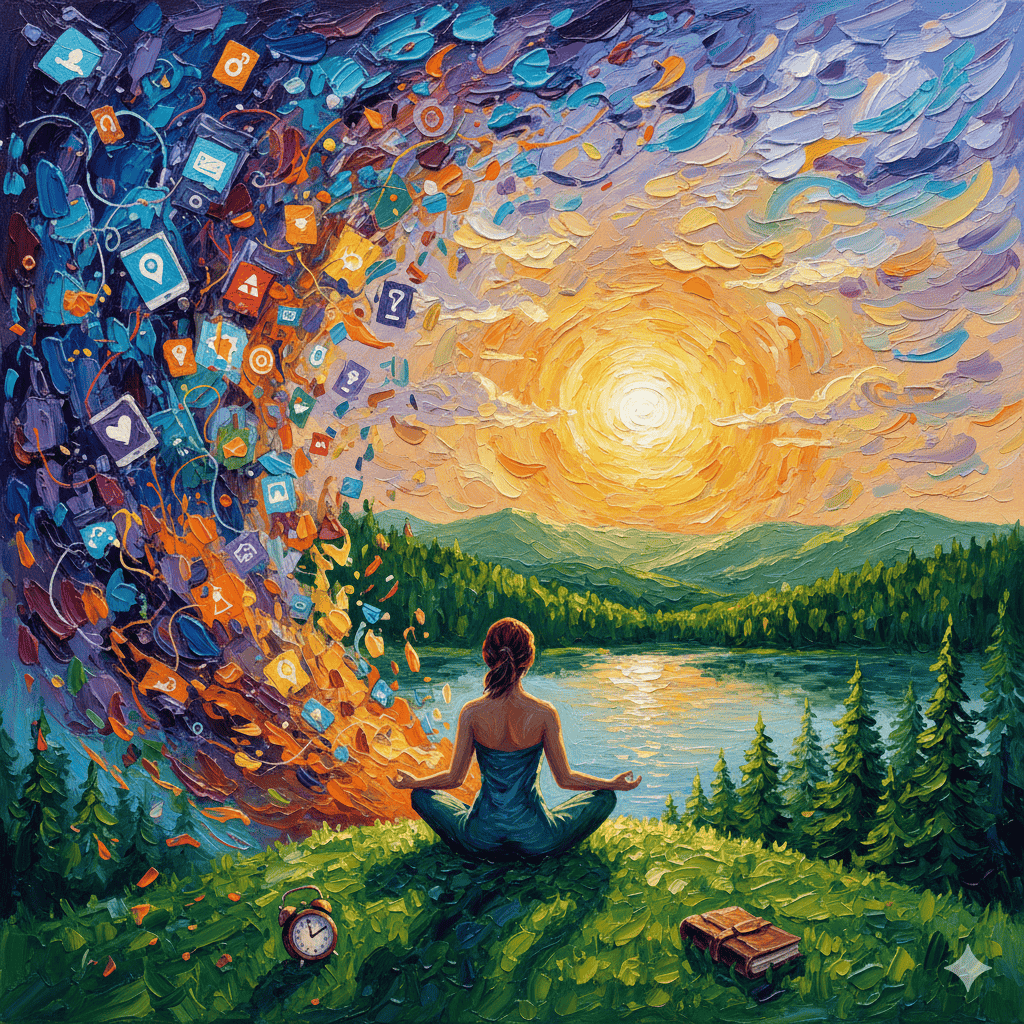
The Great Cognitive Fragmentation In the mid-2020s, the “infinite scroll” transitioned from a social novelty to a global health crisis. By 2026, the average adult interacts with their smartphone over 2,600 times a day. We are living in a state of continuous partial attention, where the brain is never fully “on” a single task, nor fully “off”…
-
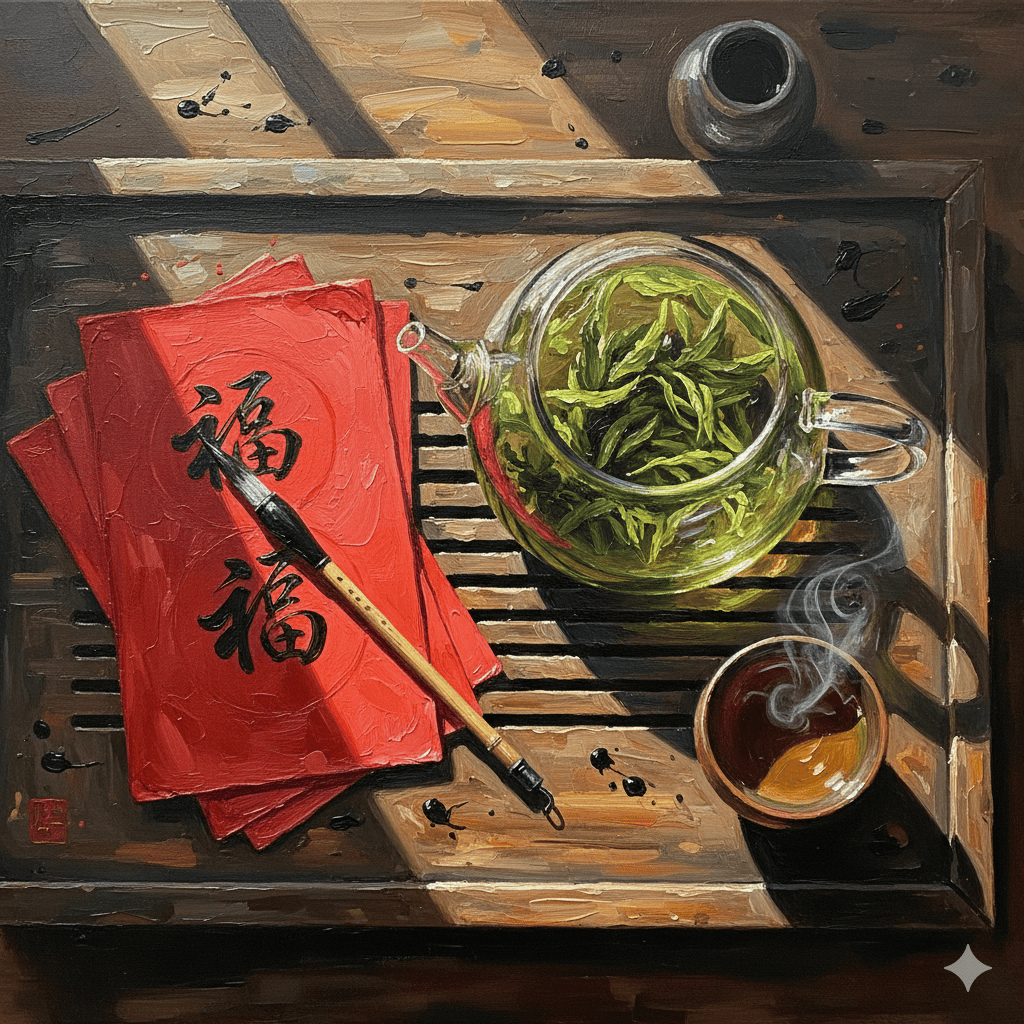
A Different Kind of New Year While the Gregorian New Year on January 1st often feels like a frantic race toward “productivity,” the Lunar New Year (Spring Festival) offers a more profound opportunity for a biological and digital reset. In 2026, as digital fatigue reaches an all-time high, the ancient traditions of the East provide a masterclass…
-
Introduction: The Digital Saturation Point By 2026, humanity arrived at a moment that felt paradoxical yet inevitable: the year’s most influential lifestyle trend wasn’t powered by a breakthrough algorithm, a new headset, or the next wave of immersive virtual platforms. It was unplugging — a deliberate, collective retreat from the very technologies that had shaped…

-
The Neurochemistry of Silence: How Time Offline Rewires the Human Brain The 2026 “Digital Exit” Report The modern brain is currently the subject of the largest unintended experiment in history. By 2026, the average adult spends over 11 hours a day interacting with digital screens. However, a landmark 2024 experiment conducted at The Stanway School in Colchester…